- août 3, 2026
- Uncategorized
- Comments : 0
How to Log In A Comprehensive Guide
How to Log In: A Comprehensive Guide
Logging in to websites and online services is a fundamental part of the digital experience. Whether you’re accessing social media, online banking, or gaming platforms like How to Log In to Britsino Casino Britsino Casino login, it’s vital to know how to do it correctly. This guide provides a detailed overview of the login process, tips for stronger security, and troubleshooting common issues you may encounter.
Understanding the Login Process
Logging in typically involves a few simple steps, which are consistent across most platforms. Here’s a breakdown of what you need to do:
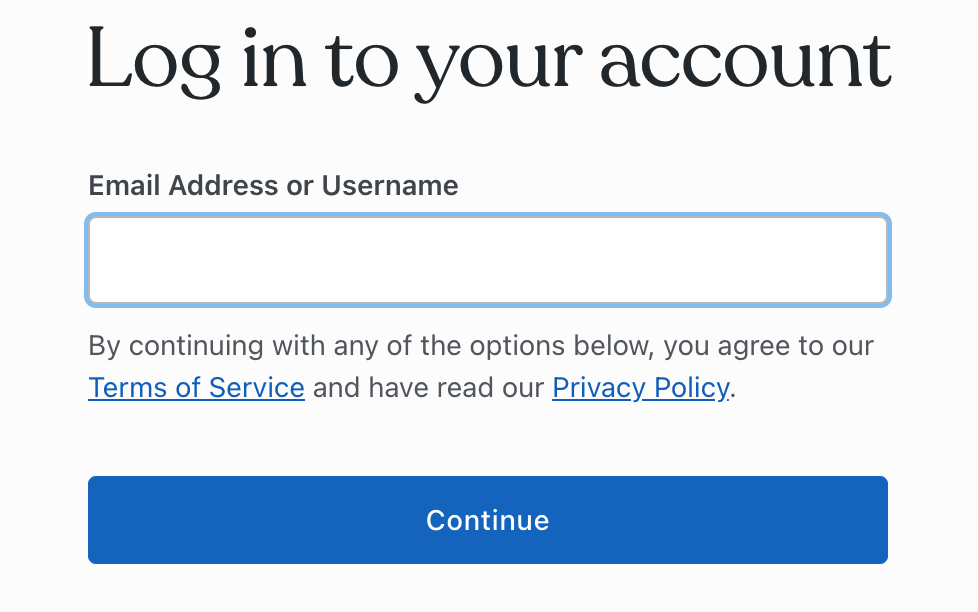
- Navigate to the Login Page: This usually involves clicking on a « Log In » button or link, typically found in the upper right corner of the website.
- Enter Your Credentials: You will typically need to input your username or email address and your password.
- Two-Factor Authentication (if applicable): Many platforms now require an additional step for security, such as entering a code sent to your phone or email.
- Click on the Login Button: Finalize the process by clicking the button, usually labeled « Log In » or « Sign In. »
Choosing Strong Passwords
Your password is the first line of defense against unauthorized access to your accounts. Here are some tips for creating strong passwords:
- Use a Mix of Characters: Combine uppercase and lowercase letters, numbers, and special characters to create complex passwords.
- Avoid Common Words: Do not use easily guessable information, such as your name, birthdate, or common words.
- Use a Password Manager: Consider using a password manager to help you generate and store strong passwords securely.
Managing Multiple Logins
In today’s digital age, one individual often has multiple accounts across different platforms. Here are strategies for managing these logins effectively:
- Keep a Record: Maintain a secure list of your usernames and passwords, either through an offline method or a reliable password manager.
- Regularly Update Passwords: Periodically change your passwords to enhance security. This practice helps prevent potential breaches.
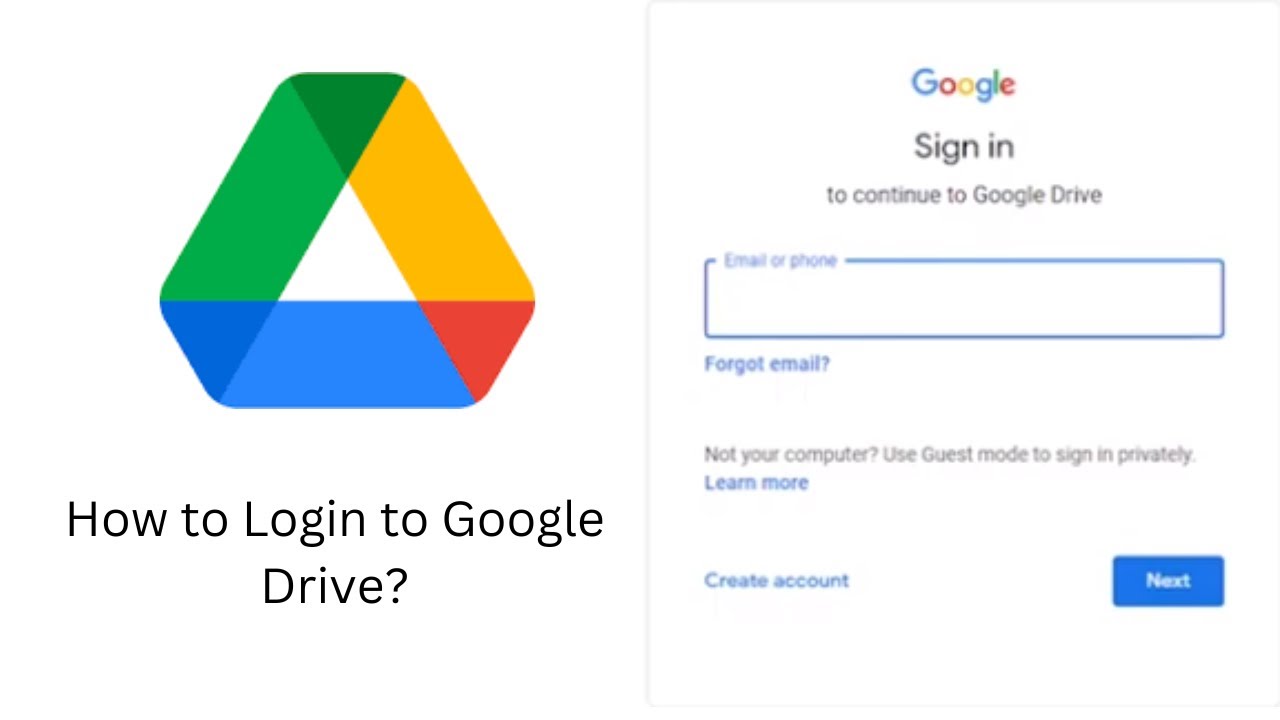
- Utilize Single Sign-On Services: Using services like Google or Facebook to log into other platforms can simplify the process.
Troubleshooting Common Login Issues
Despite closely following login protocols, users often encounter issues. Here are some common problems and how to address them:
1. Forgotten Passwords
If you can’t remember your password, most platforms will provide a « Forgot Password? » link. Clicking this will guide you through a process to reset your password using your registered email or phone number.
2. Account Locked
After several unsuccessful login attempts, some accounts may get temporarily locked for security reasons. In this case, follow the platform’s steps to verify your identity and unlock your account.
3. Browser Issues
Sometimes, login problems arise from browser settings or cache. Clear your browser cache and cookies, or try logging in from a different browser or device.
Recognizing Phishing Attempts
As digital vulnerabilities rise, so do phishing attempts. Here are ways to identify and avoid them:
- Check the URL: Always verify that the website address is correct before entering any personal information.
- Look for Secure Connections: Ensure that the website URL begins with « https » rather than « http, » indicating it’s secure.
- Be Wary of Unsolicited Emails: Avoid clicking on links in emails from unknown senders. Always navigate to the website directly.
Conclusion
Logging in to different platforms is a routine task that requires attention to security and personal data management. By following this guide, you can ensure a smoother and safer login experience. Remember to create strong passwords, manage your accounts effectively, and stay vigilant against potential threats. With these practices in place, you can enjoy a more secure digital experience.